
Friends who went to Tortuguero 25 or 30 years ago described this national park as one of the hardest places to reach in Costa Rica, and one really off the beaten track. Well, they wouldn’t recognize the place! With 900 people going to Tortuguero on average every day, it is one of the most visited places of the country!
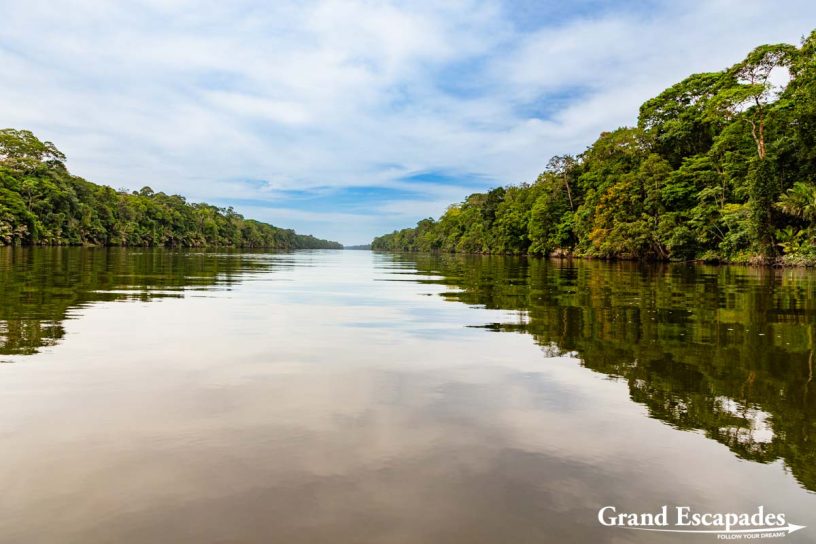
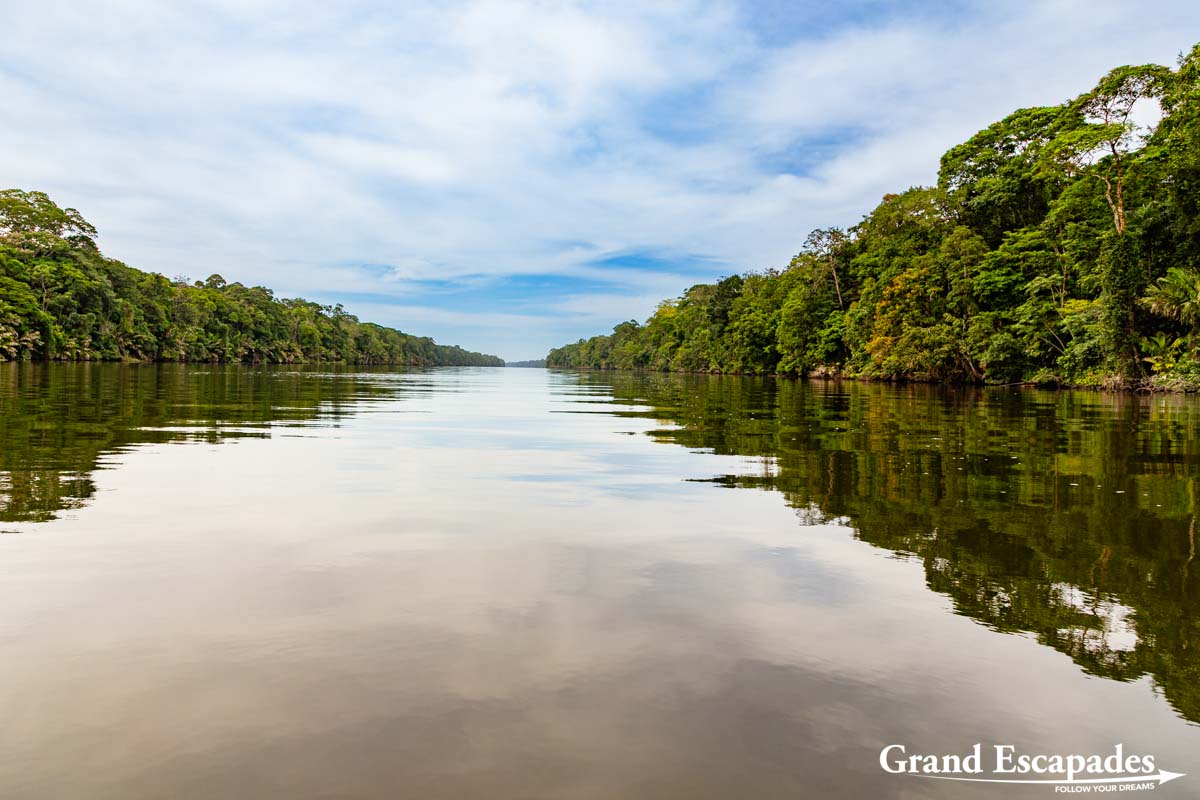
Most people drive to La Pavona and take a boat from there (departure: 07:00; 09:15; 11:15; 12:45; 03:15; 04:15 / return: 04:45; 06:40: 08:40; 10:40; 02:00). La Pavona is approx. 3 hours’ drive from Alajuela (without significant traffic jam around San Jose, else much more) and then one hour by boat. There are plenty of boats for each departure (up to 40, each with approx. 40 seats), so you can just show up and pick the company you want. You can even charter a flight if you are in a hurry, and some people obviously do. The boat ride is actually pleasant, though there is nothing special to see on the way but the river and the surrounding jungle.
Tortuguero itself is a small village along the water, 100% centered around tourism. There is no real need to book tours in advance it seems, there is a lot on offer, but we went on the safe side and booked everything months ahead. You have to reserve the entrance to the National Park (opening 6 months in advance) on the SINAC website, then tours locally. Restaurants, at least the more popular ones, are completely full in the evening, so book ahead of time (latest around lunch time for dinner).
We took 3 tours at Tortuguero:
- Early morning boat tour
- Walking tour in the National Park
- Turtle tour at night
Early morning boat tour:
Tens of boat leave each morning at around 06:00 am, so many that some boats prefer to start the tour outside of the National Park because the queue is too long at the entrance (!!!)
The guides are knowledgeable and though you only see wildlife from the distance, it is a nice experience though, with lots of explanations on the National Park and its history, and on the wildlife you see and do not see. You can book tours with regular (motored) boats, un-motored boats or kayaks.
-
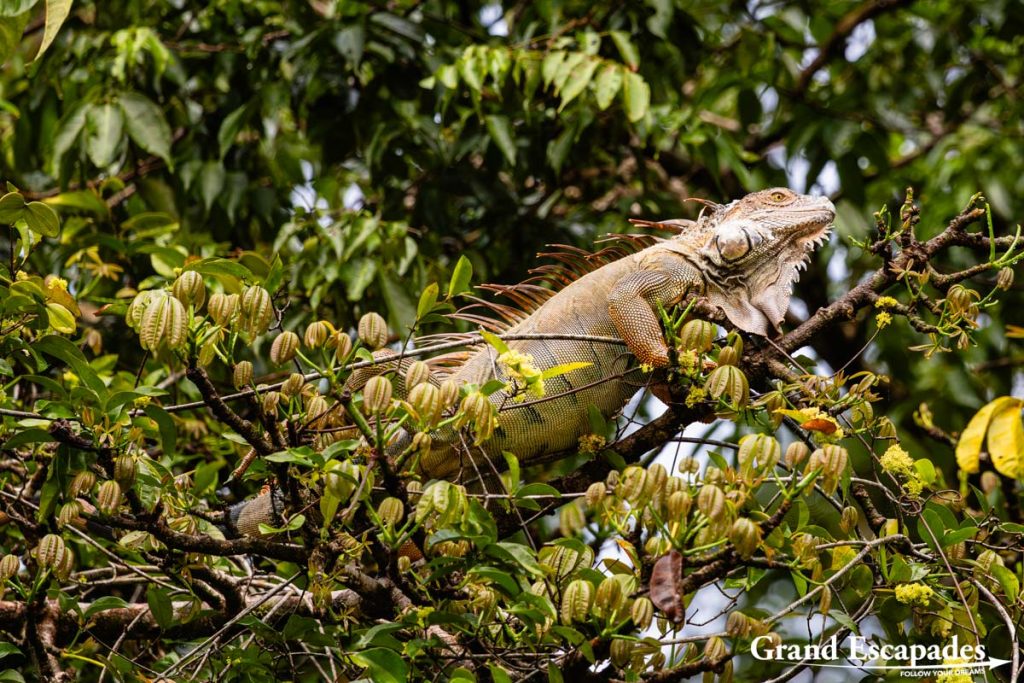
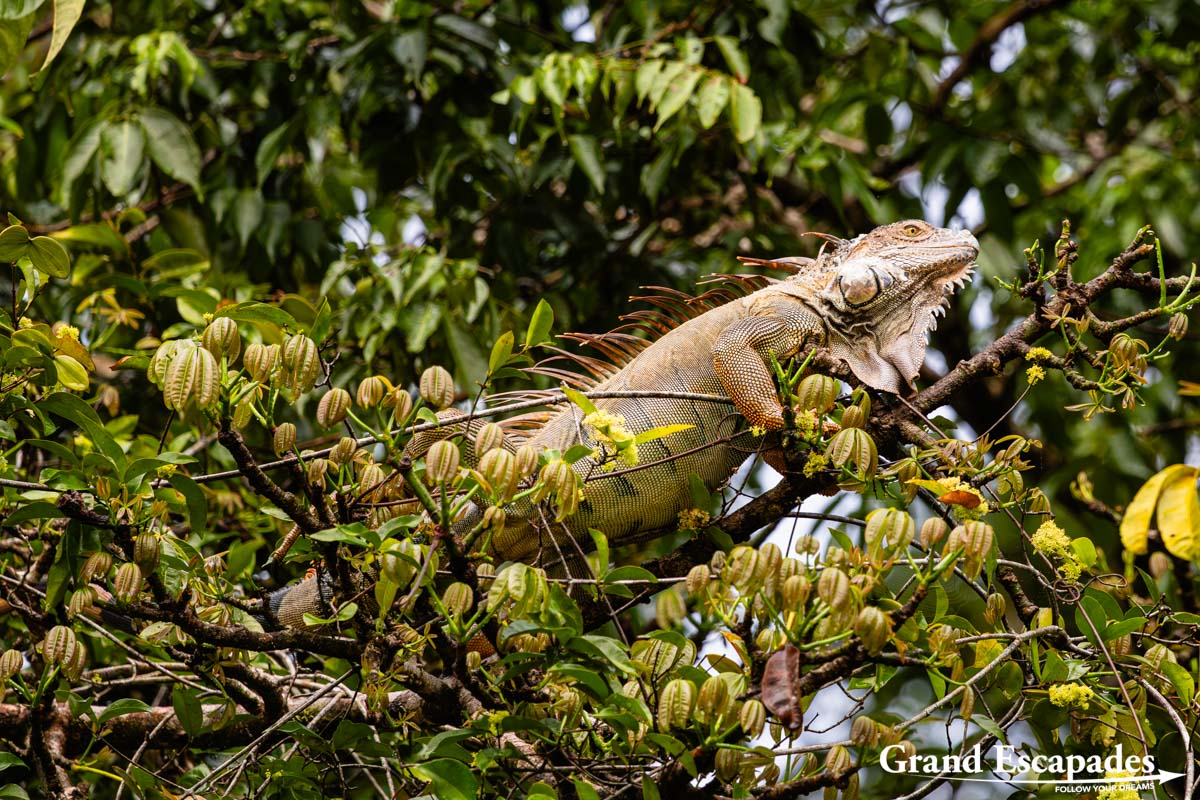
- Green Iguana (Iguana Iguana)
-
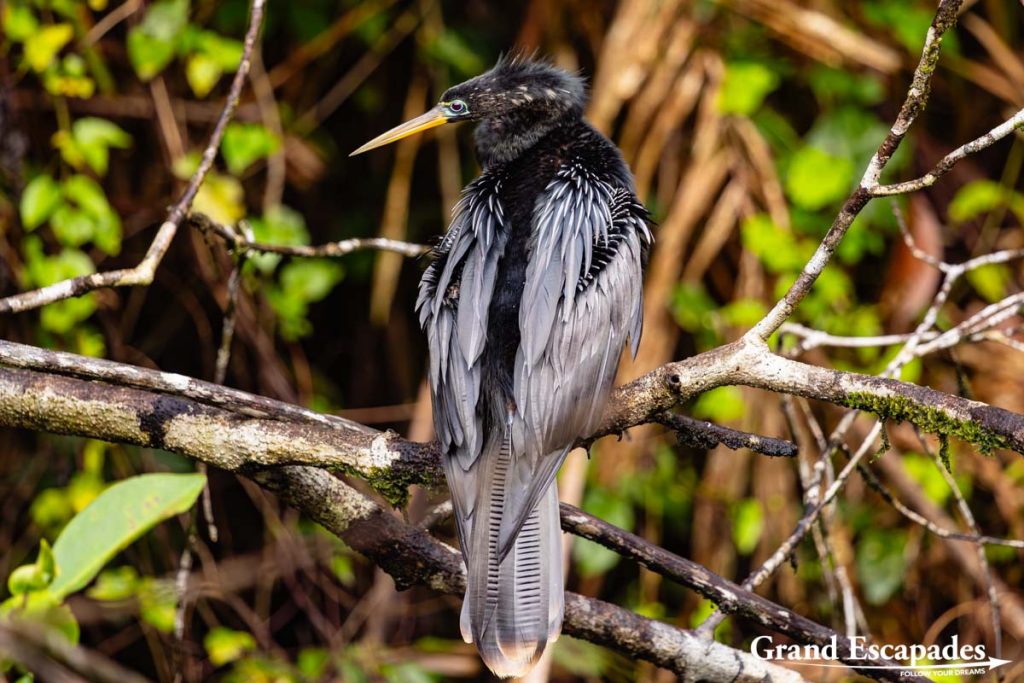
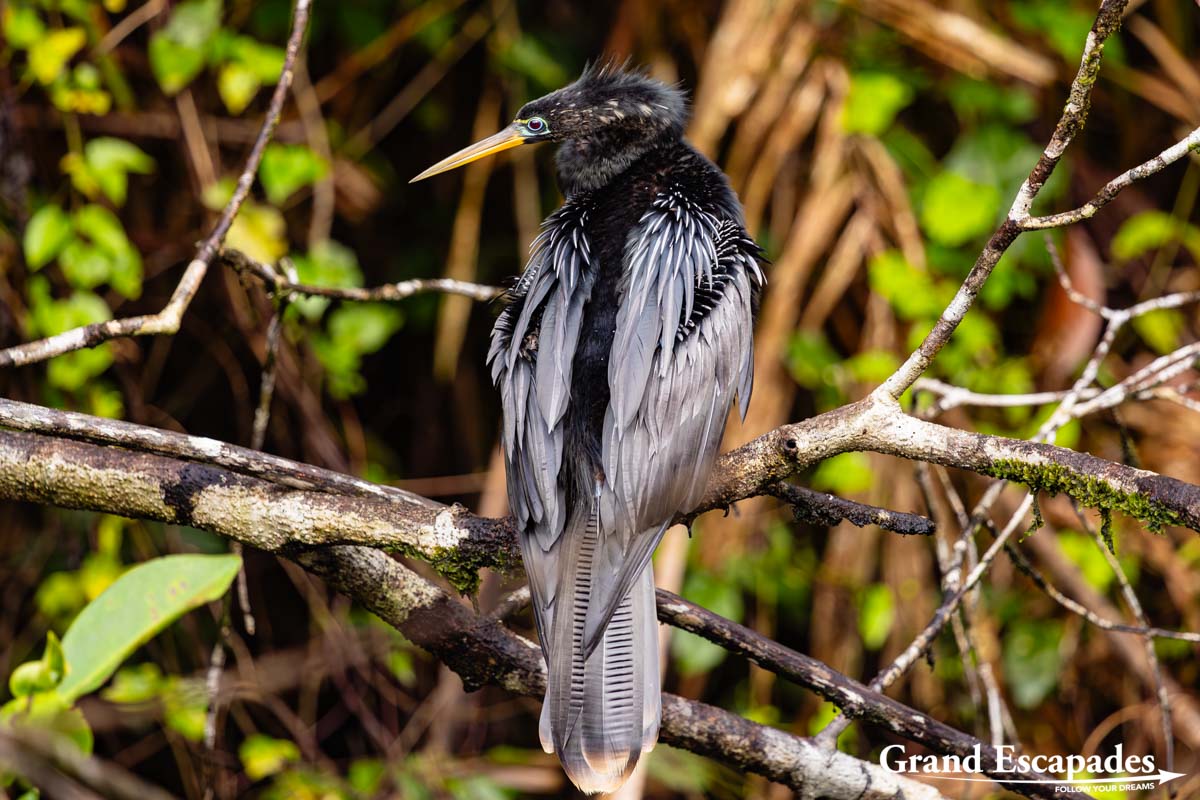
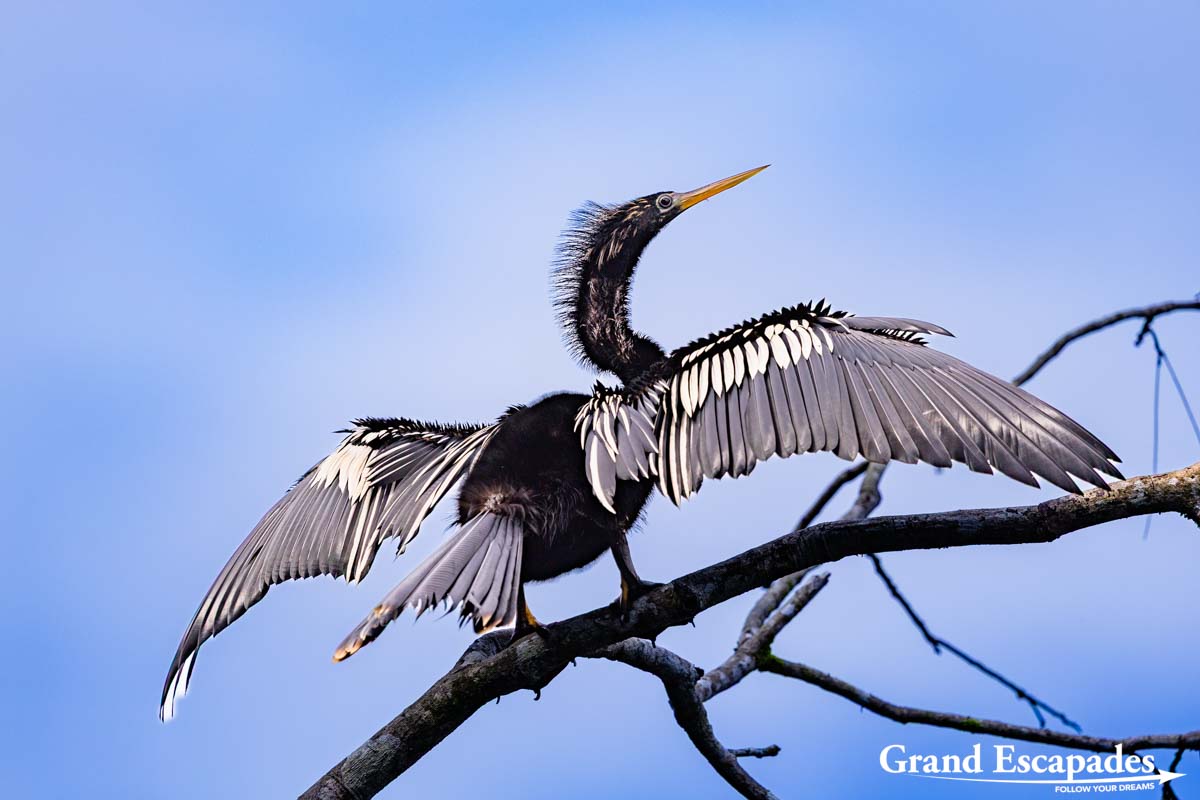
- Anhinga (Anhinga Anhinga),
-
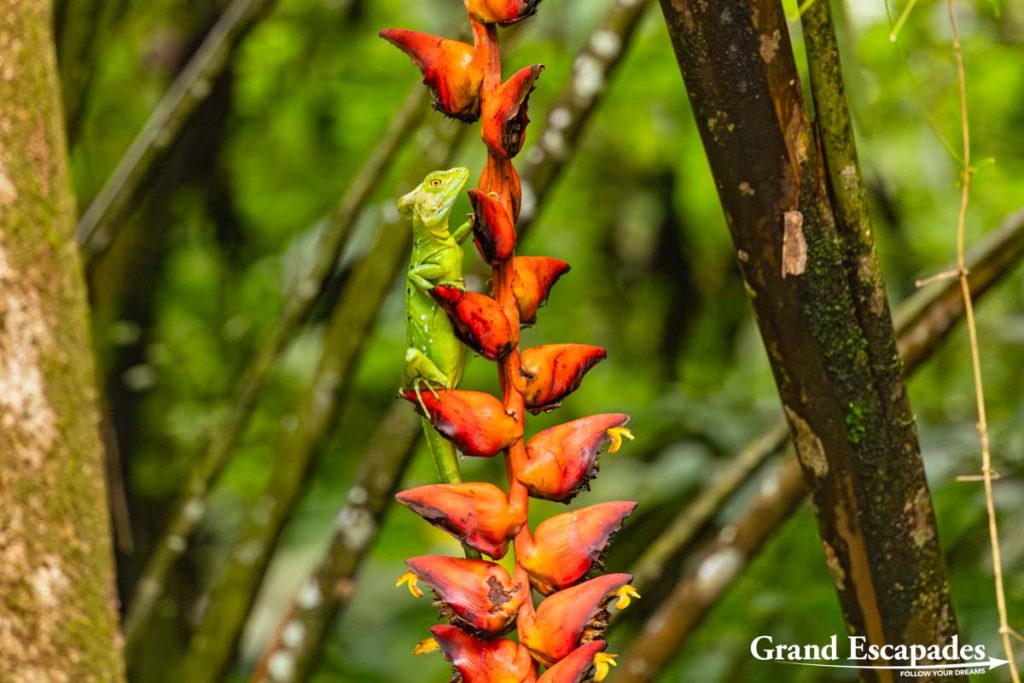
- Plumed Basilisk, Green Basilisk, Double Crested Basilisk or Jesus Christ Lizard (Basiliscus Plumifrons)
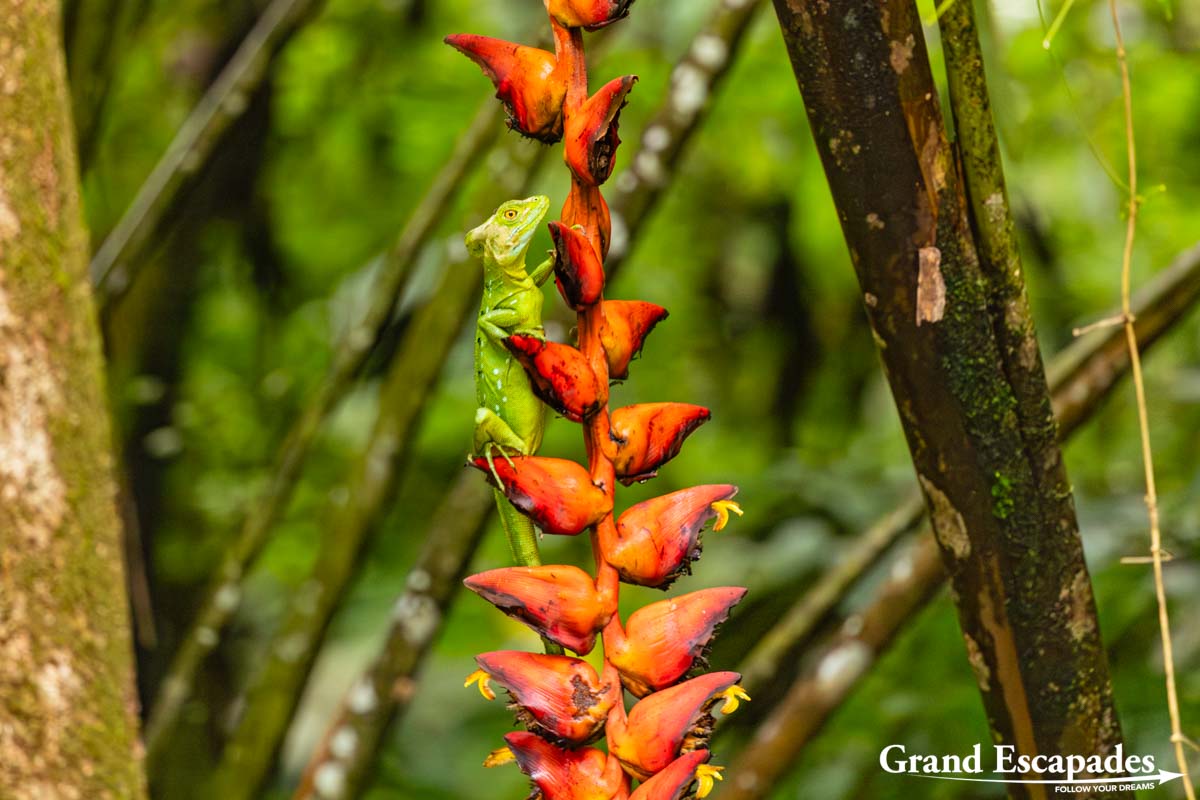
-
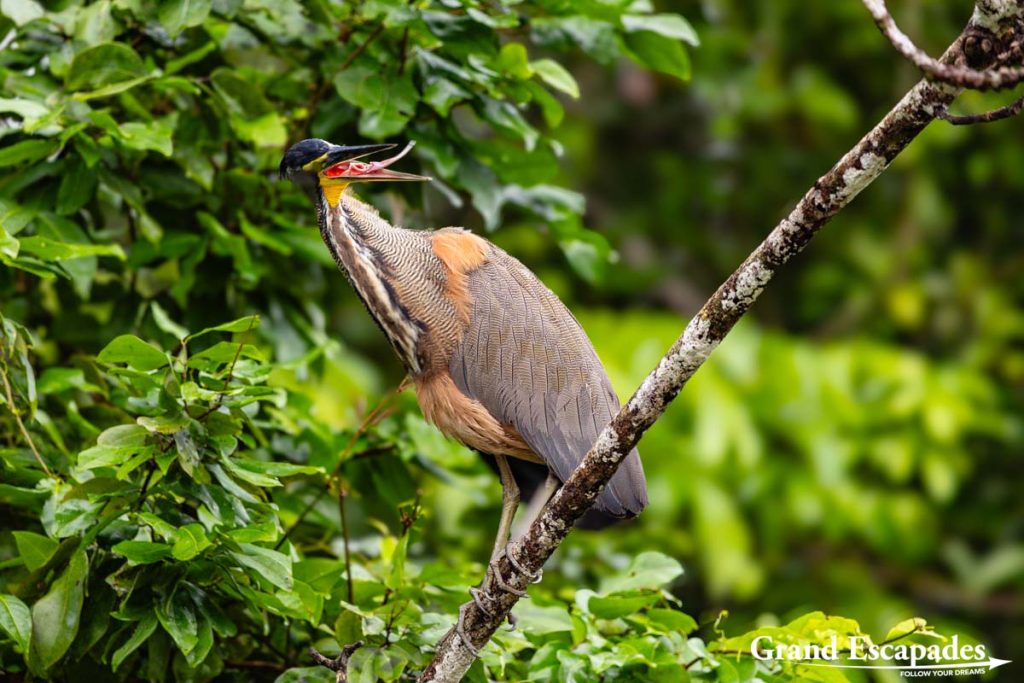
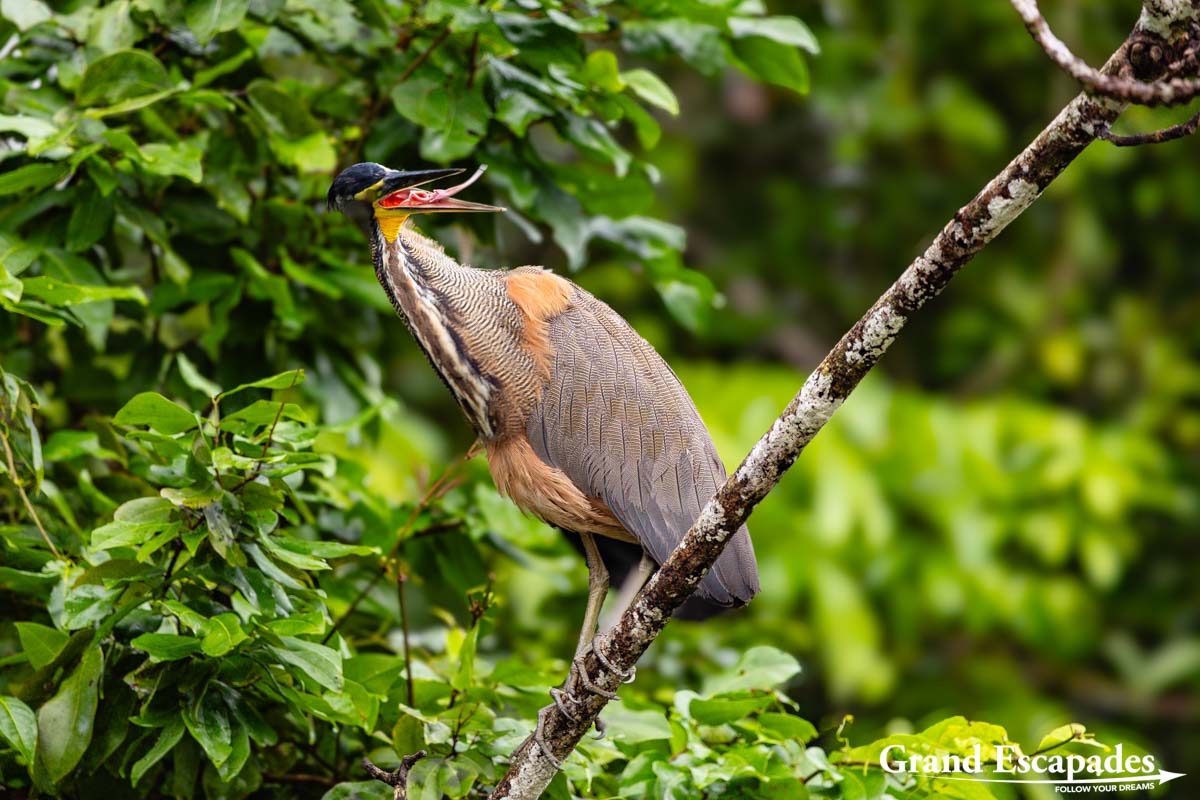
- Rufescent Tiger-Heron (Tigrisoma Lineatum)
-
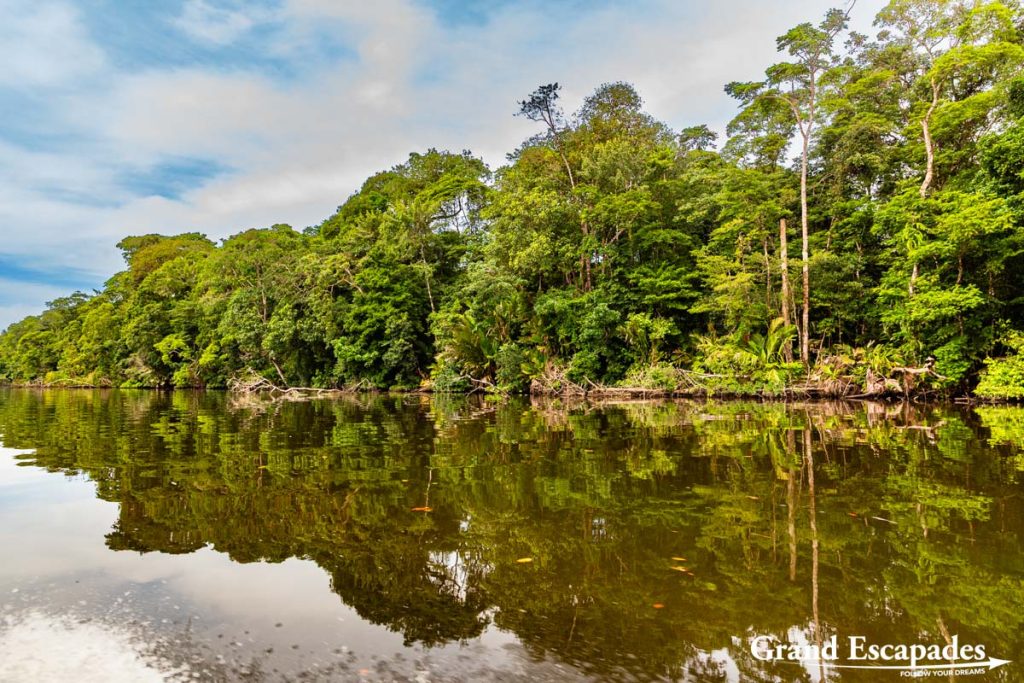
- Tortuguero National Park, Costa Rica
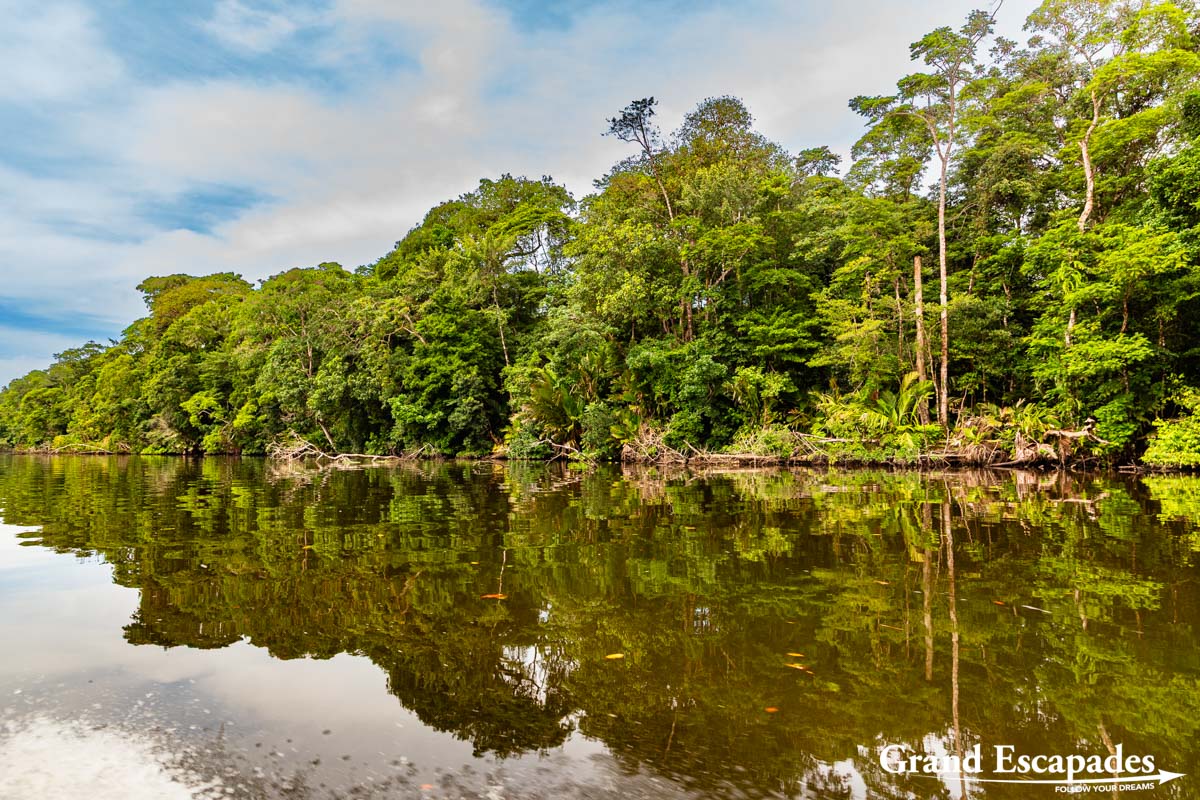
-
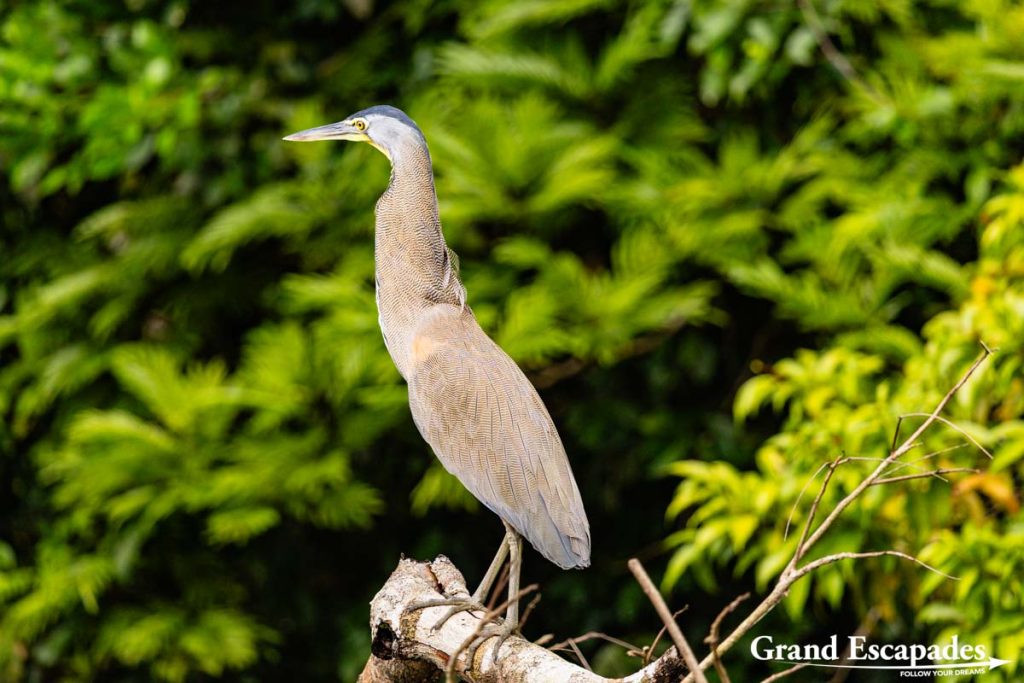
- Rufescent Tiger-Heron (Tigrisoma Lineatum)
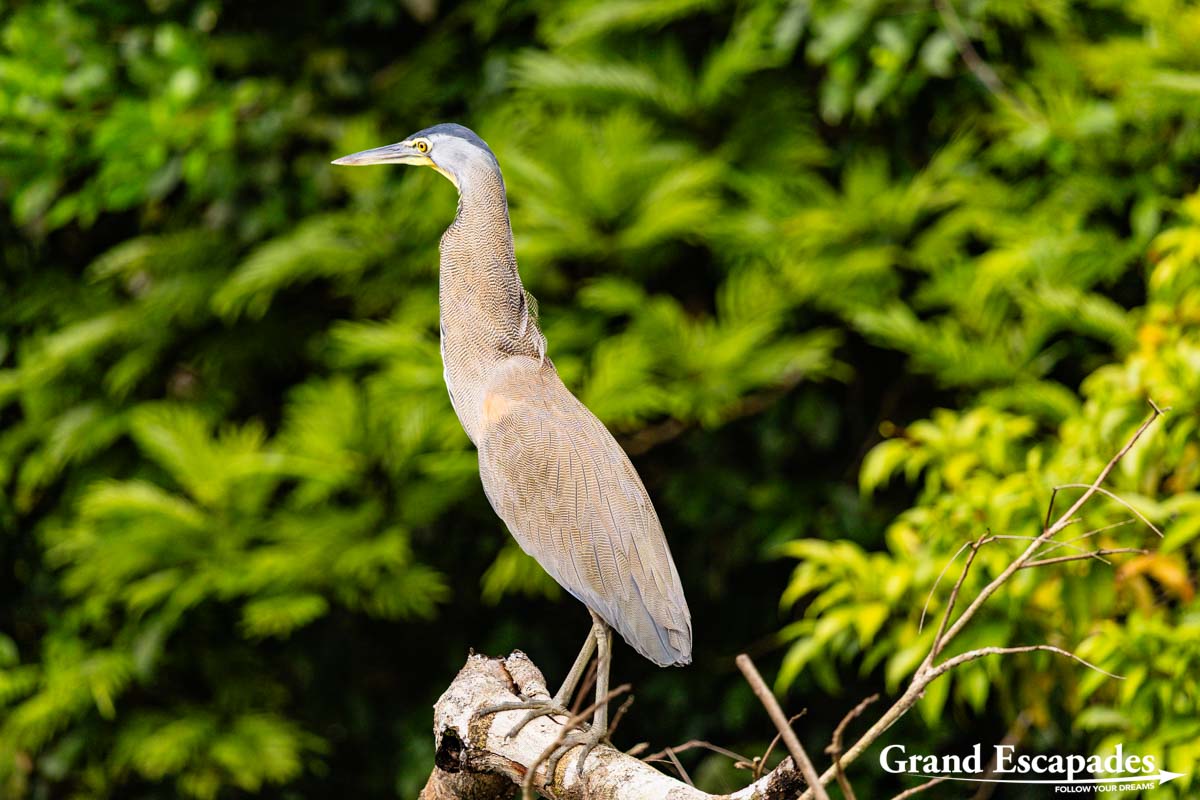
-
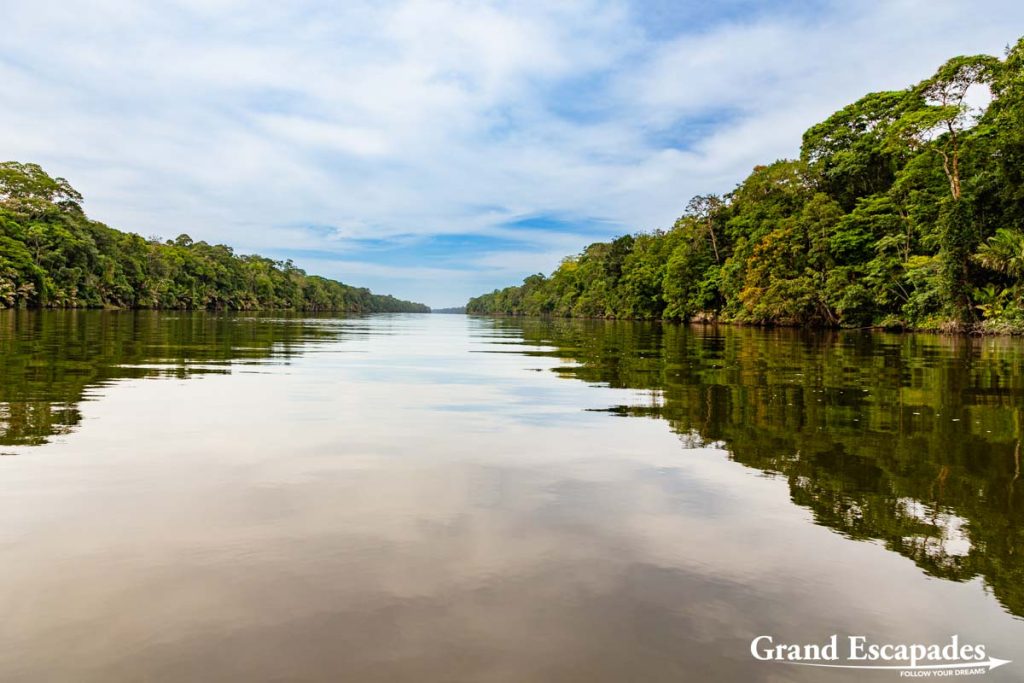
- Tortuguero National Park, Costa Rica
-
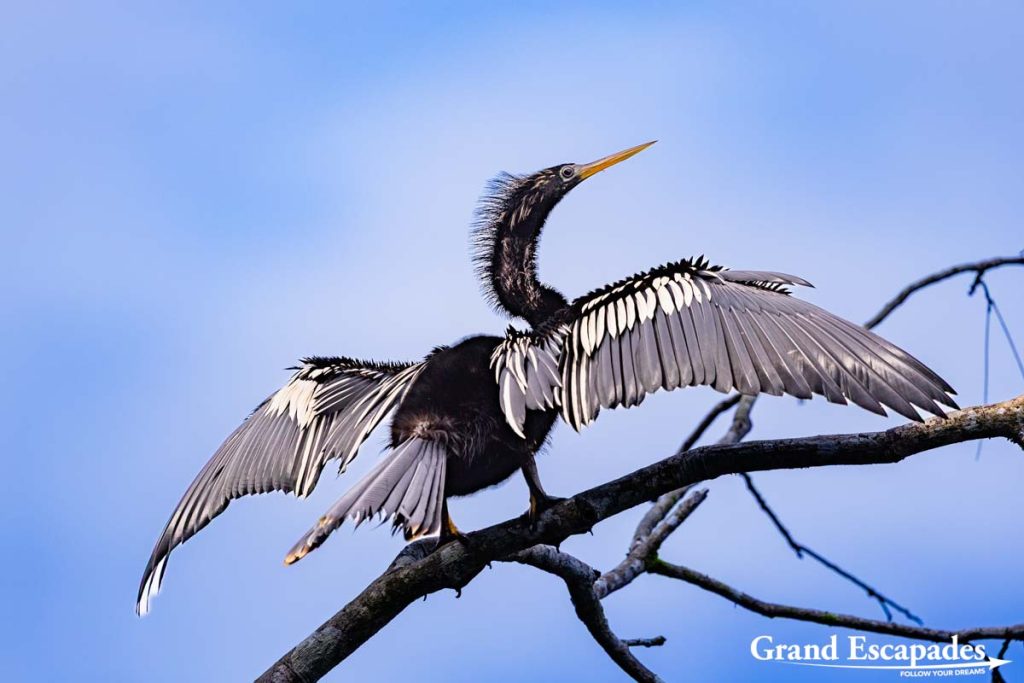
- Anhinga (Anhinga Anhinga)
Walking tour:
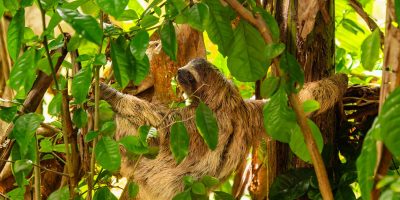
You can do the trail on your own (and it is very easy), but indeed, a guide will make a great difference, as most of the wildlife is almost impossible to spot for the untrained eye. We saw frogs, lizards, monkeys, sloughs, … A really nice experience, with wildlife much closer than on the boat.
-
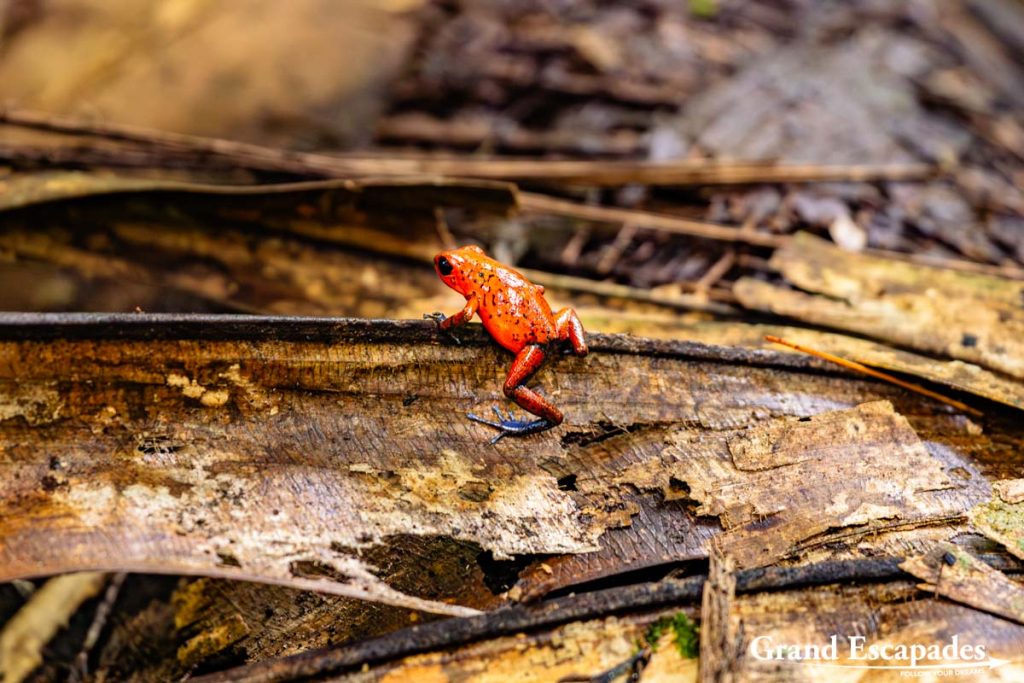
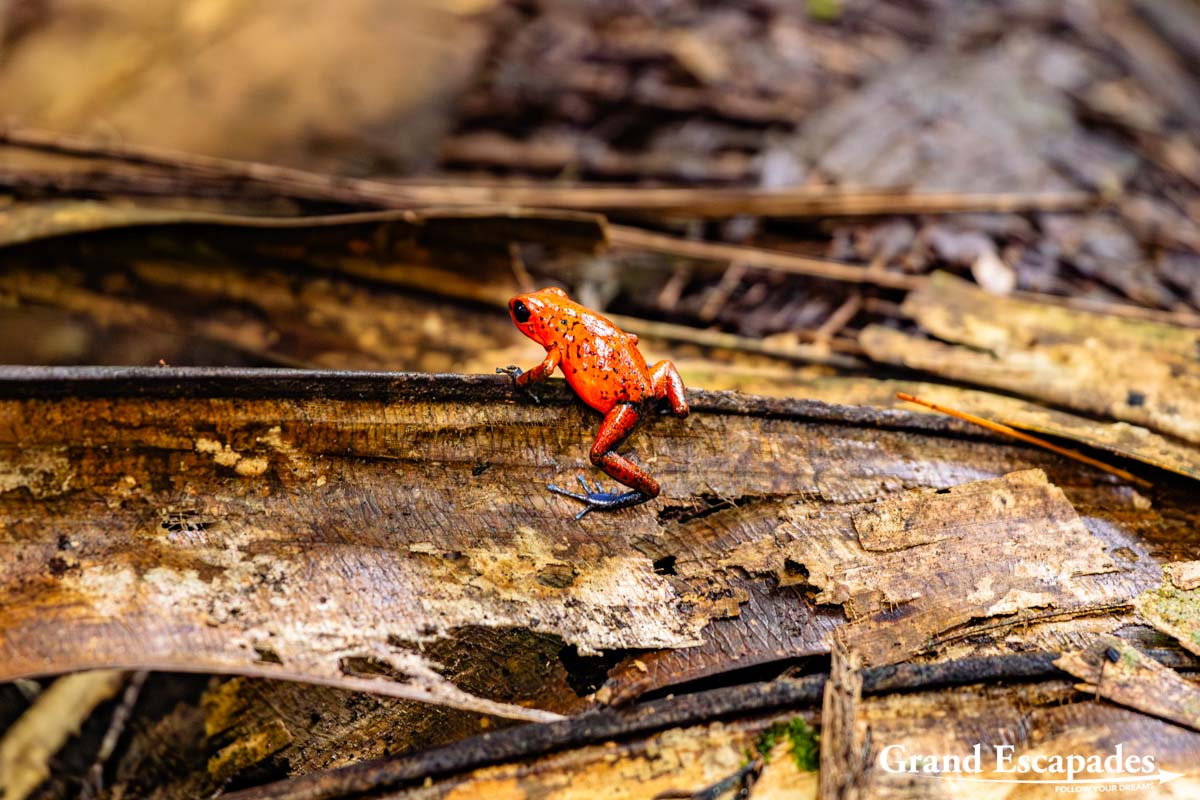
- Strawberry Poison Frog (Oophaga Pumilio)
-
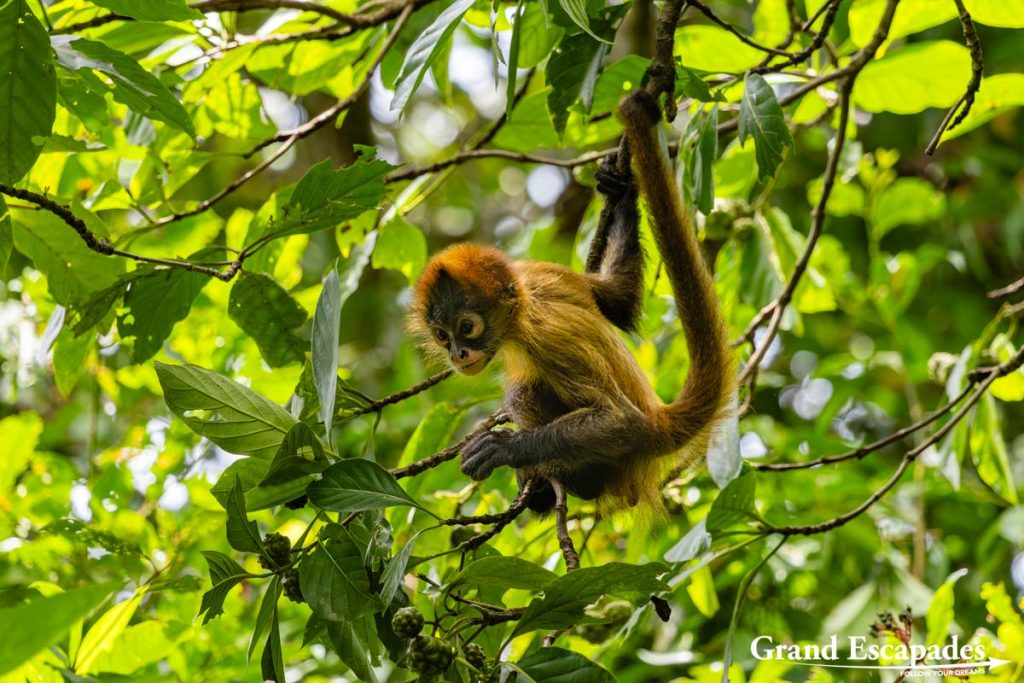
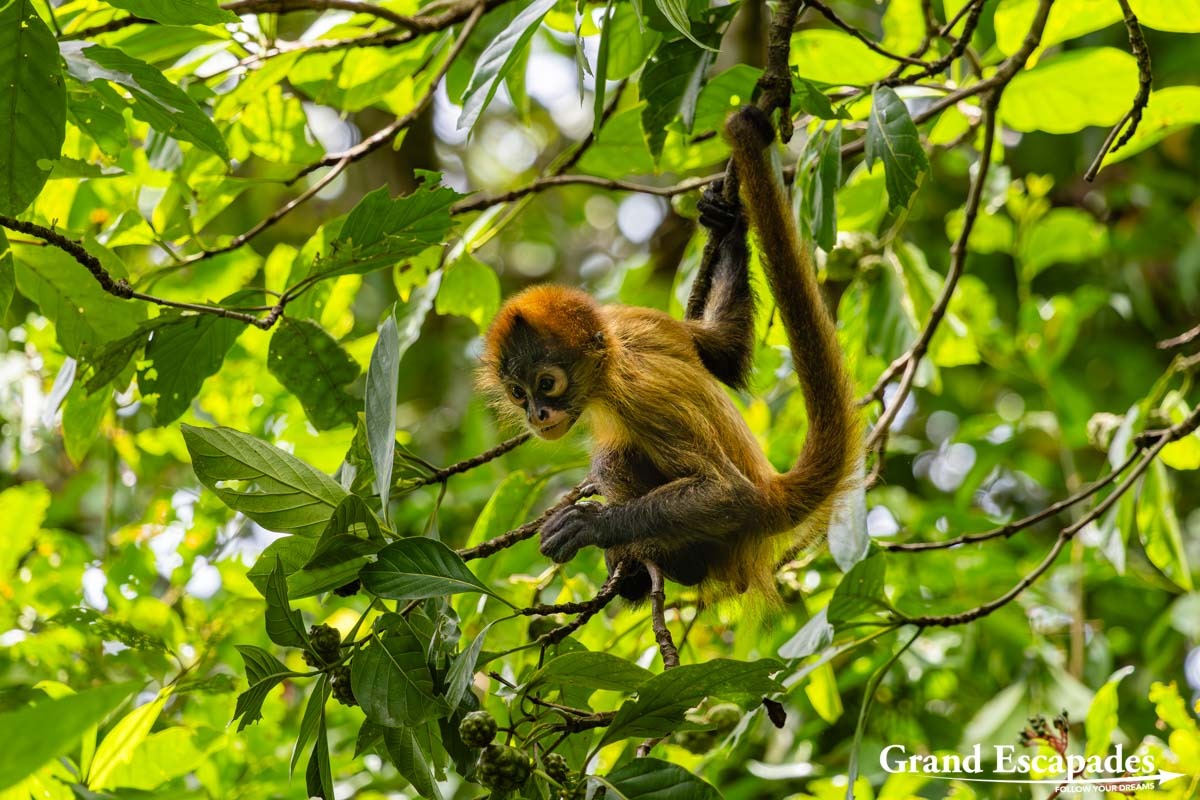
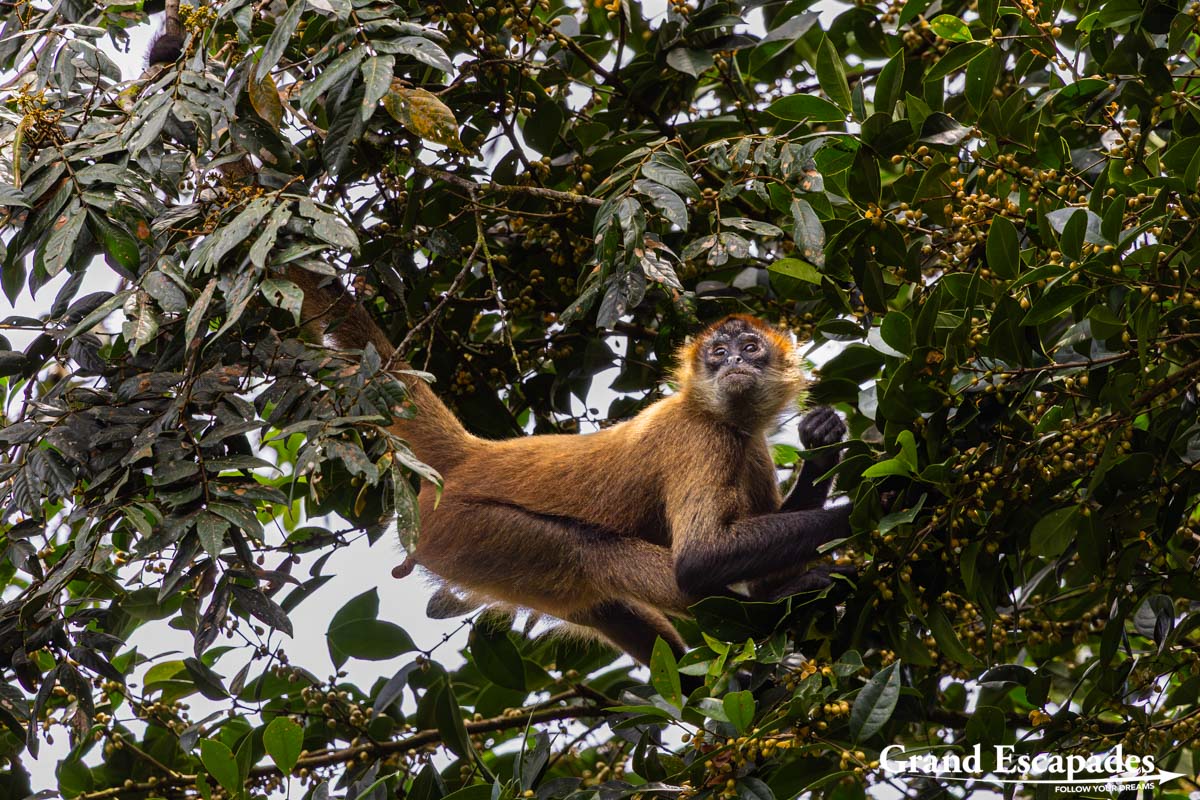
- Geoffroy’s Spider Monkey (Ateles Geoffroyi), or Black-Handed Spider Monkey
-
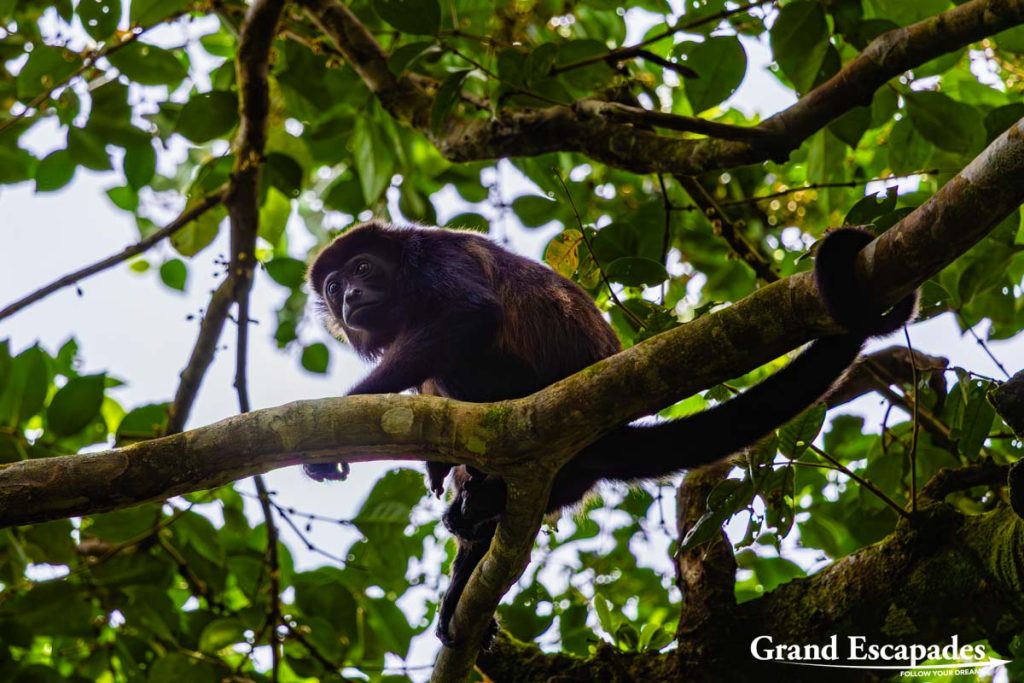
- Howler Monkey (Alouatta Palliata)
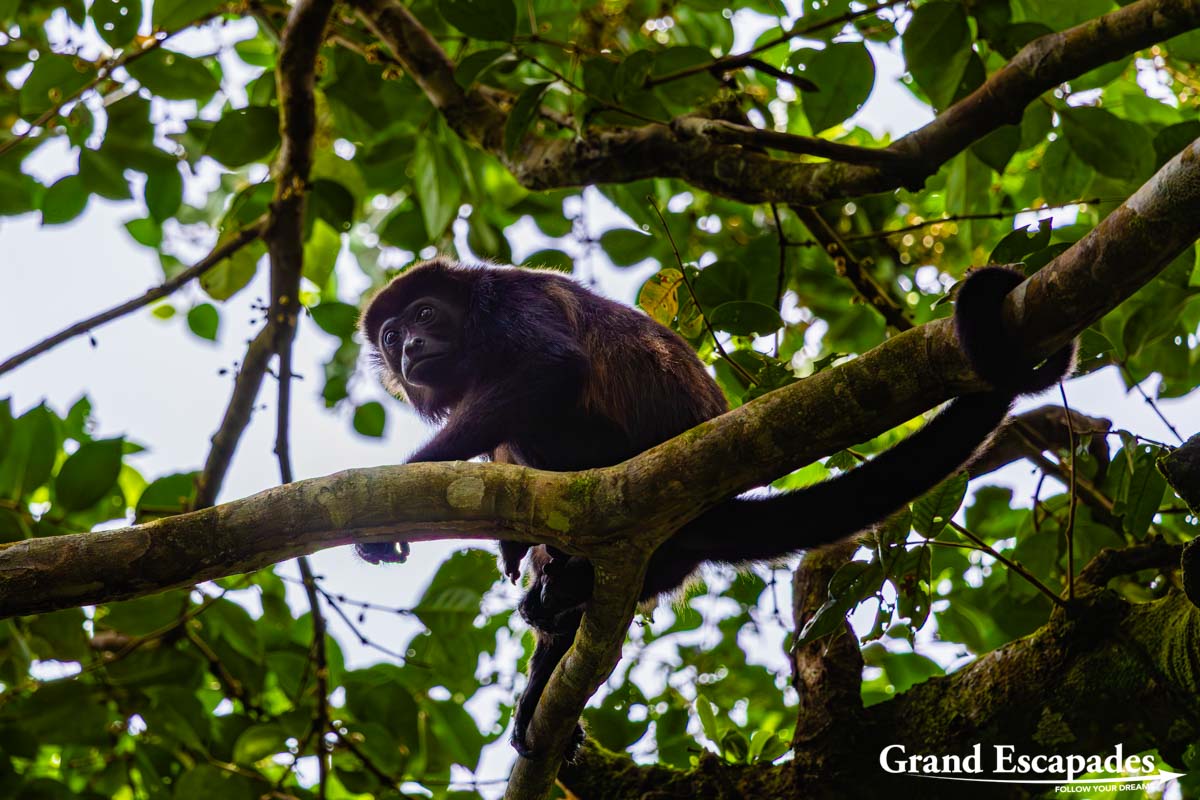
-
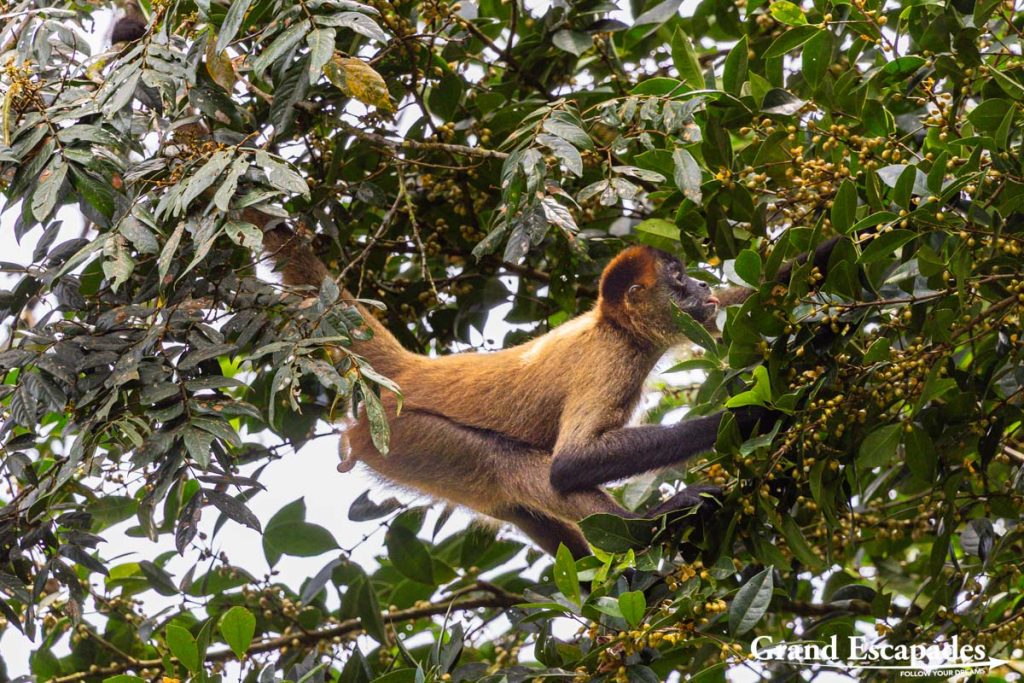
- Geoffroy’s Spider Monkey (Ateles Geoffroyi), or Black-Handed Spider Monkey
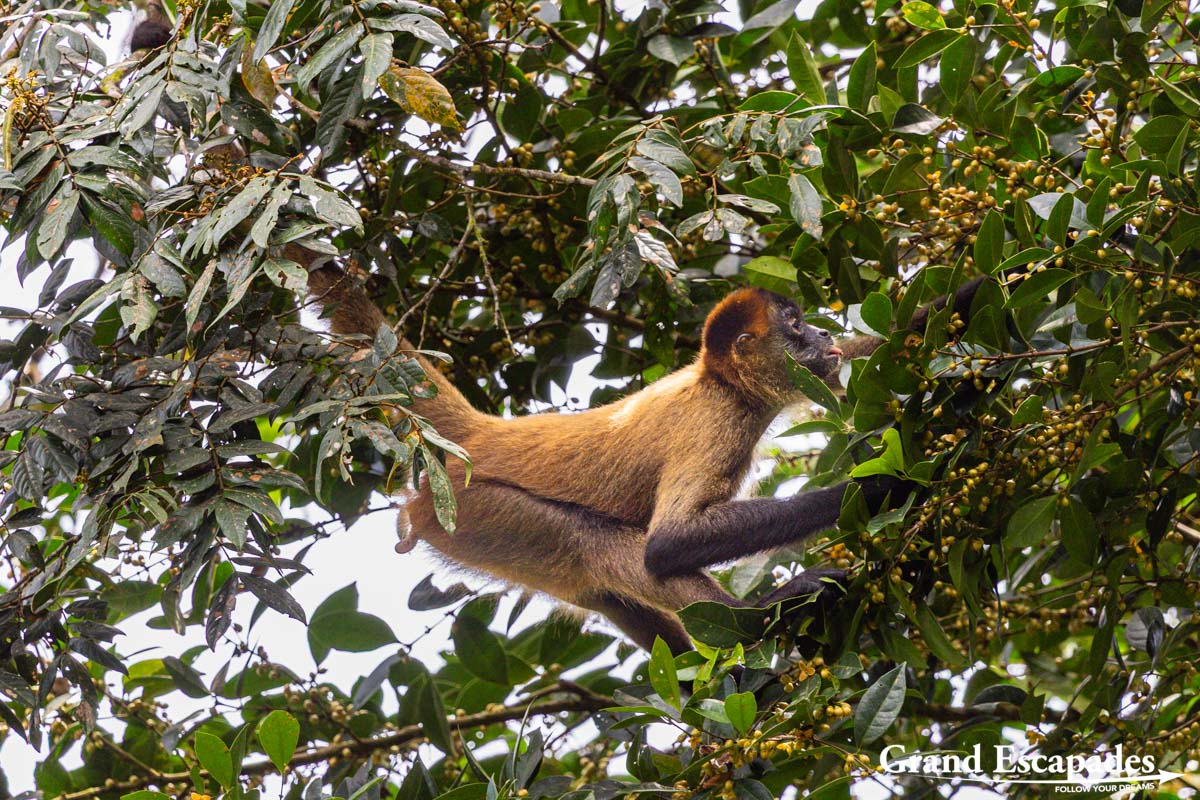
-
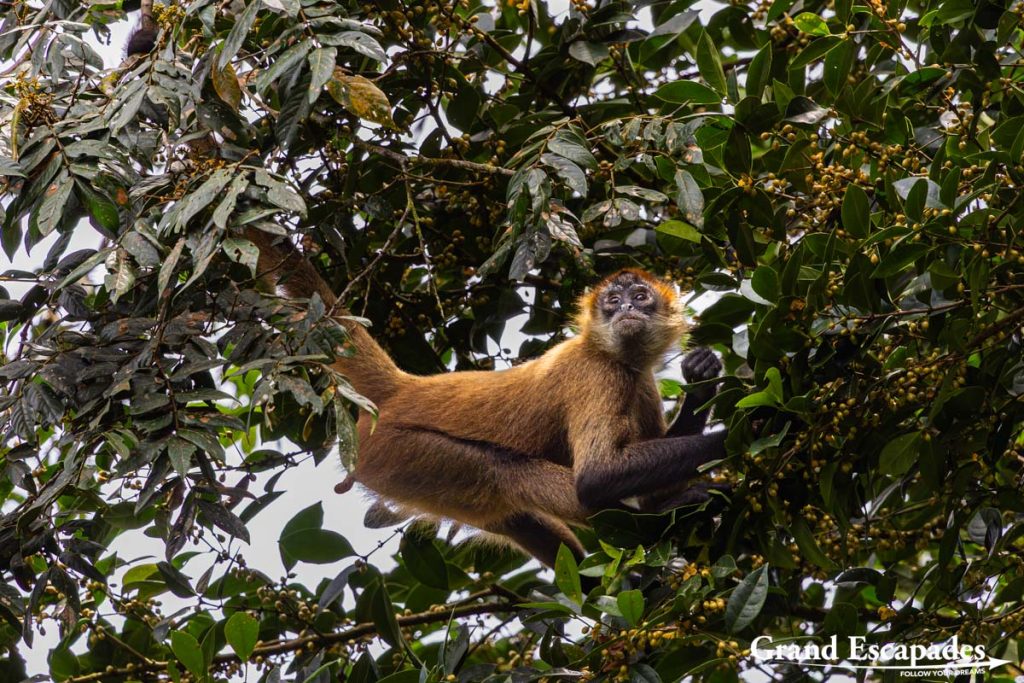
- Geoffroy’s Spider Monkey (Ateles Geoffroyi), or Black-Handed Spider Monkey
Turtle tour:
There are tours at 08:00 and 10:00 pm – it is a lottery that decides which is your tour, and you get the information the same evening at 05:45 pm. It is a ong walk to the beach: between 30- and 45-minutes walking fast, depending on which sector your group has been attributed. Though groups are limited to 10 by guides, they then regroup before entering the beaches, creating large groups to see the turtles.
Rules are extremely strict – And they are strictly enforced and hence respected:
- You cannot approach a turtle coming out of the sea
- You shall wear dark clothes
- No phones or camera are allowed
- You have to be silent
- You can only see Green Turtle, the other 3 species are not accessible to the public
We saw one turtle going back to the sea and one laying eggs. Actually, another group did not see any turtle in their sector, so they joined our sector, making the group even bigger.
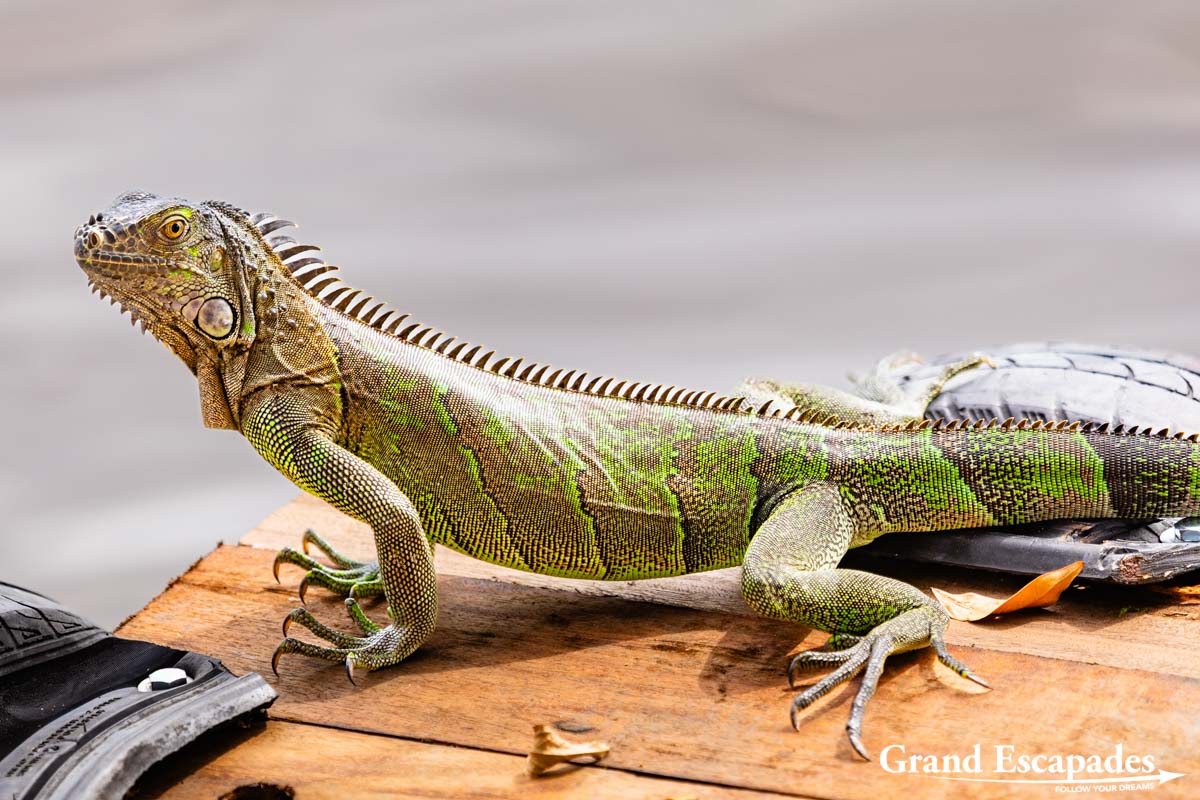
Green Iguana (Iguana Iguana), Tortuguero National Park, Costa Rica